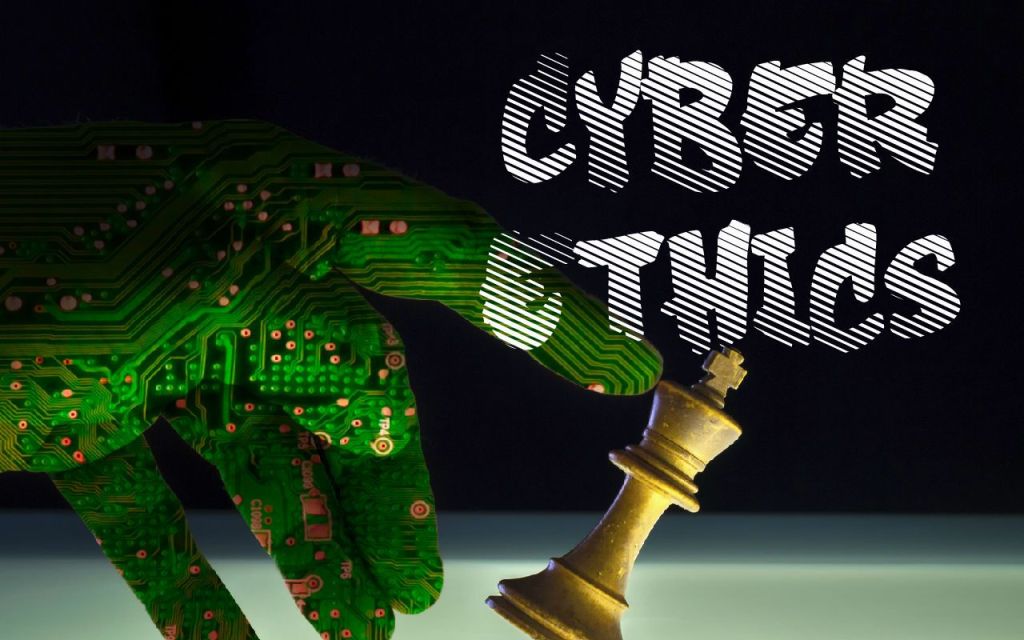
In today’s digital age, technology touches nearly every aspect of our lives. From the smartphones in our pockets to the cloud servers storing vast amounts of data, the internet has become an indispensable part of daily life. However, with this increased reliance on technology comes a set of ethical challenges that individuals, organizations, and governments must confront—this is where cyber ethics plays a critical role.
What Is Cyber Ethics?
Cyber ethics refers to the moral guidelines and principles that govern the use of technology, especially in relation to the internet. It involves understanding the impact of online actions and ensuring that the decisions we make in the digital world are both legal and morally sound. Whether it’s protecting privacy, avoiding cyberbullying, or ensuring fair access to digital resources, cyber ethics helps shape the responsible use of technology.
Why Does Cyber Ethics Matter?
1. Data Privacy and Security
One of the most pressing concerns in the realm of cyber ethics is data privacy. With the rise of social media, online shopping, and other digital services, vast amounts of personal data are collected daily. Companies often store sensitive information like financial records and personal identification details, making them prime targets for hackers. Ethical guidelines are essential to ensure that organizations handle data responsibly, protecting users from breaches and unauthorized surveillance.
2. Digital Surveillance
Governments and private entities have access to unprecedented levels of information about individuals. While surveillance can enhance security, it raises questions about the balance between safety and privacy. Should citizens be subjected to constant monitoring in the name of national security? How much information is too much? Cyber ethics offers a framework for navigating these tricky waters, ensuring that digital surveillance doesn’t infringe on fundamental rights.
3. Ethical Hacking and Cybersecurity
Not all hackers are “bad actors.” Ethical hacking, also known as penetration testing, involves using hacking techniques to identify vulnerabilities in systems to prevent malicious attacks. However, even ethical hackers need to follow strict ethical standards to ensure that their actions don’t cross legal boundaries. Cybersecurity professionals must also uphold ethical principles in developing tools that protect users from harm while ensuring their own actions are above board.
4. Artificial Intelligence and Automation
With the growing use of AI in decision-making, questions about bias, accountability, and transparency are becoming more relevant. For example, algorithms used in facial recognition or predictive policing have been shown to exhibit racial or gender bias. Cyber ethics plays a pivotal role in ensuring that AI systems are developed and deployed in a manner that is fair and just for all.
The Way Forward
To ensure that the digital world remains safe and equitable, governments, corporations, and individuals alike must commit to upholding cyber ethics. Regulations and laws provide a framework, but personal responsibility and awareness are equally critical. Users should be aware of how their data is being used, companies should adopt transparent policies, and developers should prioritize ethical considerations in the design of new technologies.
Conclusion
As technology continues to evolve, so too must our approach to ethics in cyberspace. Cyber ethics is not just about following the law; it’s about creating a digital environment that respects human rights, promotes fairness, and ensures security. As we continue to innovate, ethical considerations will be key to ensuring that technology serves humanity in a positive and sustainable way.





 codersblog.com
Leave a comment