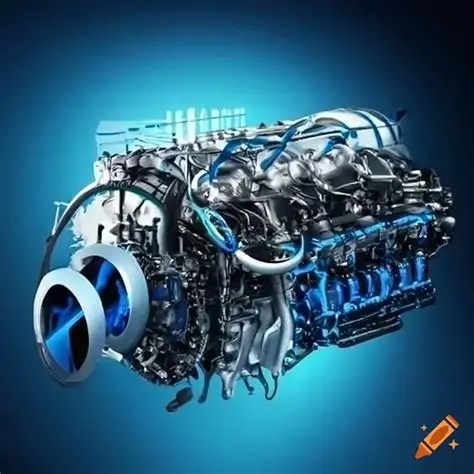
As the global demand for clean energy rises, hydrogen engines are gaining traction as a realistic solution for decarbonizing transport and industry. These engines, which burn hydrogen instead of fossil fuels, offer familiar mechanics with near-zero emissions.
WHAT IS A HYDROGEN ENGINE?
Hydrogen engines are modified internal combustion engines (ICEs) that use hydrogen gas as fuel. Unlike hydrogen fuel cells that convert hydrogen into electricity, hydrogen ICEs combust hydrogen directly to produce mechanical power. The only major by-product is water vapor.
HOW DO HYDROGEN ENGINES WORK?
Hydrogen is injected into the combustion chamber, mixed with air, and ignited by a spark plug. The resulting explosion moves the pistons, generating torque and power. While the process is similar to gasoline combustion, it emits significantly fewer pollutants—mainly water vapor.
ADVANTAGES OF HYDROGEN ENGINES
- Zero Carbon Emissions: Hydrogen burns cleanly, producing no CO2.
- Rapid Refueling: Takes only a few minutes to fill up, like petrol.
- High Energy Density: Hydrogen provides more energy per kg than most batteries.
- Compatible with Existing Technology: Easier to adapt in current engine manufacturing.
CHALLENGES TO OVERCOME
- Infrastructure Needs: Refueling stations for hydrogen are still rare.
- Cost: Green hydrogen production is expensive.
- Efficiency: Hydrogen combustion is less efficient than electric motors.
- NOx Emissions: Though carbon-free, it can still produce nitrogen oxides if not properly managed.
REAL-WORLD APPLICATIONS
Hydrogen engines are already in use in various industries and transport sectors:
- Toyota: Testing hydrogen-powered versions of the Corolla and trucks for logistics use.
- Yamaha & Kawasaki: Developing hydrogen combustion engines for motorcycles and power equipment.
- Hyundai: Launched hydrogen trucks like the XCIENT Fuel Cell with over 400 miles of range.
- Mining Vehicles: Anglo American deployed hydrogen-powered haul trucks—the largest in the world.
- Public Transit: Hydrogen buses are running in Japan, Germany, and the U.S., using either ICE or fuel-cell technology.
- Agriculture & Construction: Companies are piloting hydrogen tractors and excavators for off-grid, heavy-duty use.
- Marine & Aviation: Prototype ships and aircrafts powered by hydrogen engines are already under development.
IS IT BETTER THAN ELECTRIC?
Electric motors are more efficient overall, but hydrogen engines offer faster refueling, longer range, and better performance in extreme conditions. For heavy-duty sectors like trucking, aviation, and construction, hydrogen may be the more practical green solution.
FUTURE OUTLOOK
Hydrogen engines are not science fiction—they’re here and slowly expanding. As hydrogen infrastructure improves and costs fall, these engines could power a significant portion of transport and industry, reducing our global carbon footprint.
Follow CodersBlog for more on hydrogen innovation and the technologies shaping tomorrow’s transport.




 codersblog.com
Leave a comment